
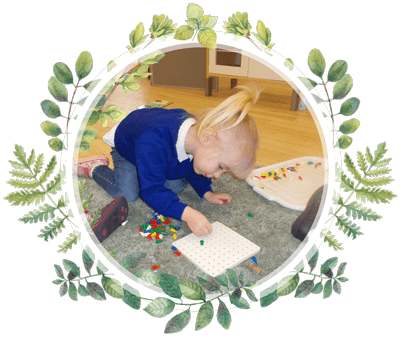
Meeting childrens’ needs
We understand how precious your child is, and we feel truly privileged to be part of their early journey. Our highest priority is always your child’s safety, closely followed by their overall wellbeing. From there, we support their learning and development in a nurturing and thoughtful way.
We recognise that it is often the little things that matter most—wiping noses, cleaning faces, and sharing in those special milestones, like the first successful trip to the toilet. These everyday moments are an important part of caring for your child and helping them feel secure and valued.
Throughout the day, we gently support children’s needs—reminding them to drink, helping them build friendships, and offering comfort when they need it most. If a child is having a difficult day, there is always time for a cuddle and a story.
We believe childhood is fleeting and should be cherished. Every child deserves to feel safe, happy, and free to learn through play, in an environment where they are truly cared for.

Key Person
Before your child begins at preschool, they will be allocated a key person. This ensures that a familiar, welcoming face is ready to greet both you and your child during their first settling-in session.
Your child’s key person will build a special, trusting relationship with them and take responsibility for supporting their individual learning and development. They will be your main point of contact within the setting, helping to ensure your child’s needs are understood and met.
The key person will work closely with you, maintaining regular communication and sharing important observations and updates about your child’s progress and wellbeing.
Tracking of development
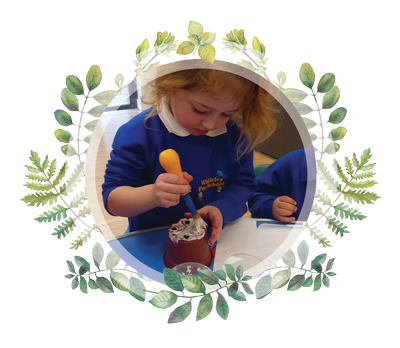
Each term, your child’s key person will observe and assess their development in line with the Early Years Foundation Stage (EYFS) framework. This is carried out sensitively through everyday observations and professional knowledge of your child, ensuring they remain unaware that any formal assessment is taking place.
Information is carefully recorded and shared with parents and carers, along with your child’s individual learning journey, which reflects their unique experiences, progress, and achievements.
We strongly believe in working in partnership with families and actively welcome your input into your child’s development. By sharing knowledge and insights, we can support each child more effectively.
Our shared aim is for all children to make strong progress in their learning and development, ensuring they are confident, capable, and well-prepared for the transition to school.
Visual aids
Many children benefit from the use of visual aids to support their understanding of daily routines and communication. These may include tools such as visual timetables and Makaton.
Each setting displays a simple visual timetable showing the structure of the day—for example, arrival, play, snack time, story time, lunch, and home time. This helps children to feel secure, understand what is happening next, and develop independence within their routine.
All educators use Makaton to support children’s communication and language development. Makaton is a sign-supported communication system where signs and symbols are used alongside spoken language, helping to reinforce understanding. It is particularly beneficial for children who are developing language skills or for whom English is an additional language, although all children can benefit from its use.
We regularly share a “sign of the week” with families so that parents and carers can learn and use Makaton at home, supporting consistency between home and preschool.
Extra support
At times, it may be identified that a child would benefit from additional support, particularly in areas such as speech and language development. When this happens, we work closely with families to provide the right support at the earliest opportunity.
Our preschool has a dedicated Special Educational Needs and Disabilities Co-ordinator (SENDCo), who is experienced and knowledgeable in supporting children with a range of needs. One of the targeted support groups they run is called Little Talkers.
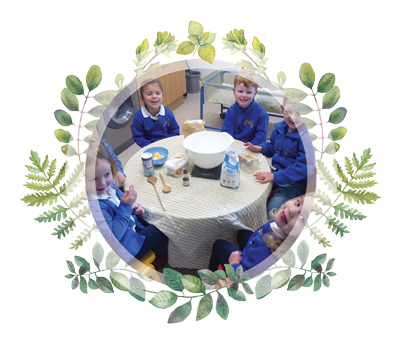
Little Talkers is a small, carefully selected group of children who may benefit from extra support in developing their communication skills. Sessions take place each day and last approximately 10 minutes. They are fun, engaging, and play-based, incorporating activities and games designed to encourage speech, confidence, and language development.